

How to Get Rid of Bees in Siding
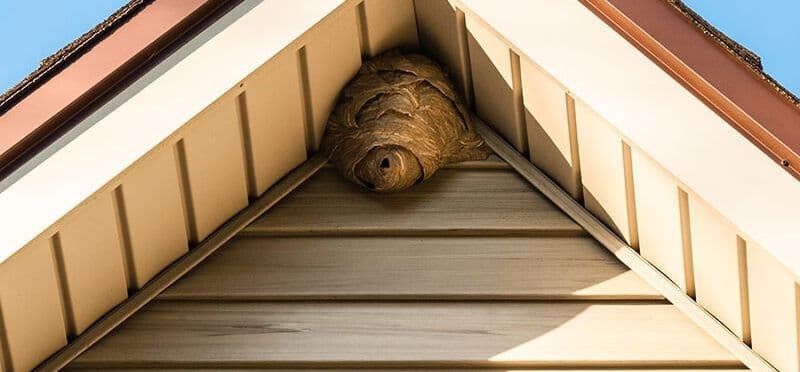
Bees are some of nature’s most productive and intelligent insects. Without their pollinating ways, there would be no wild plants or the biodiversity they bring. Even so, they often bore into wood when they nest, so they can obliterate your siding’s structural integrity and stain your home. Given enough time, their presence could attract even more destructive pests and the rot they bring with them.
Signs of a Bee Infestation In Your Siding
If you’ve noticed an uptick of bees in your home, a few signs will tell you if they’ve infested your siding. Look for:
- Round holes in your wood. Bees tend to create tiny, perfectly round gaps lined with sawdust.
- The sound of buzzing and scraping.
- Yellow and brown stains.
- A strong scent of honey.
- A loss of structural integrity as your new residents enter your vents and wood.
- Visual clues of a nest when you peer through cracks in your siding.

Identifying the Type of Bees
Bees are best observed from a distance. All three of the most common bees to nest in siding exhibit aggression when they believe their nests are being threatened. Avoid direct interaction, particularly if you have a bee sting allergy or the bees are swarming. Avoid making sudden movements, particularly swatting.
Differences between honey bees, bumblebees, and carpenter bees
Carpenter bees are the most common insects to infest siding. They’re black, shiny, and active during the day. They might circle you aggressively if you’re close to their nest. Unlike honeybees, carpenter bees are solitary. In contrast, honey bees nest in groups, so you’ll probably notice loud humming and crowding at the entrance of the nest. Honeybees prefer to nest high between your siding and roof. Bumble bees are easily identifiable by their large, furry yellow and black bodies. They prefer cavities at ground level and often nest inside them.
Steps to Safely Remove Bees from Siding
DIY methods for removing bees without harming them
Bees are an important part of our natural heritage, so it’s best to remove them without causing harm to you or the swarm. Natural repellents like peppermint oil, cinnamon, and citronella might encourage the hive to move voluntarily. A well-placed citronella candle or spray might trigger a friendly mass eviction. If you have a recurrent hive, planting peppermint might tempt your bees to move elsewhere, but always put safety first. Before you begin your eviction strategy, wear protective gear over your skin and hands.
Long sleeves are only adequate if you’re using gentle removal strategies, though. If you want to use harsher measures, it’s best to hire professionals. If your DIY attempts don’t work, a local beekeeper might appreciate your call. They often remove easily-accessible hives for free or for a surprisingly attractive price.
When to call a professional pest control service
The ease of hive removal is determined by the accessibility of your hive. Siding is, unfortunately, prone to highly inaccessible hives, so if you’re dealing with more than a few visitors, pest control is your safest bet. Hives are potentially hazardous. One misinterpreted approach can lead to a serious attack, so if you spot signs of large-scale bee activity, call a professional as soon as possible. Bees may become increasingly aggressive over time, so if you notice bees are circling your family, it’s best to act immediately.
Preventing Future Bee Infestations
Once your hive has been removed, you’ll need to seal up your siding to deter return visitors. Regular inspections will handle nesting sites before they’re overrun. Seal gaps, holes, and cracks in your siding, roof, and eaves regularly. Where caulk won’t suffice, mesh and expanding foam might help. These won’t deter carpenter bees, so you’ll need to treat your wooden surfaces with almond or citrus oil. Bees also find paint unpalatable, so a layer of color will add more than just beauty. It might protect you from infestation, too.
Your garden could be a highly effective bee deterrent. Planting basil, geraniums, eucalyptus, and lemon grass will discourage further hives. Bees are just as resistant to chives and cloves. Citronella plants have a pleasant, lemon-like scent that deters most insects.
Understanding the Importance of Bees
Bee populations have been declining in recent years, and some species are even facing extinction due to habitat loss. Almost 90% of flowering plants rely on wild bees for pollination. They’re a core part of the ecosystem, and their decline could threaten food security. For this reason, it’s essential to consider humane removal methods that preserve the life of the hive.
Just because you need to prevent bees from nesting in your home, it doesn’t mean you can’t create a bee-friendly environment elsewhere. Flowering plants, water, and shelter can all encourage bee habitats. A pollinator garden is as beautiful as it is useful.
Latest Blog Posts
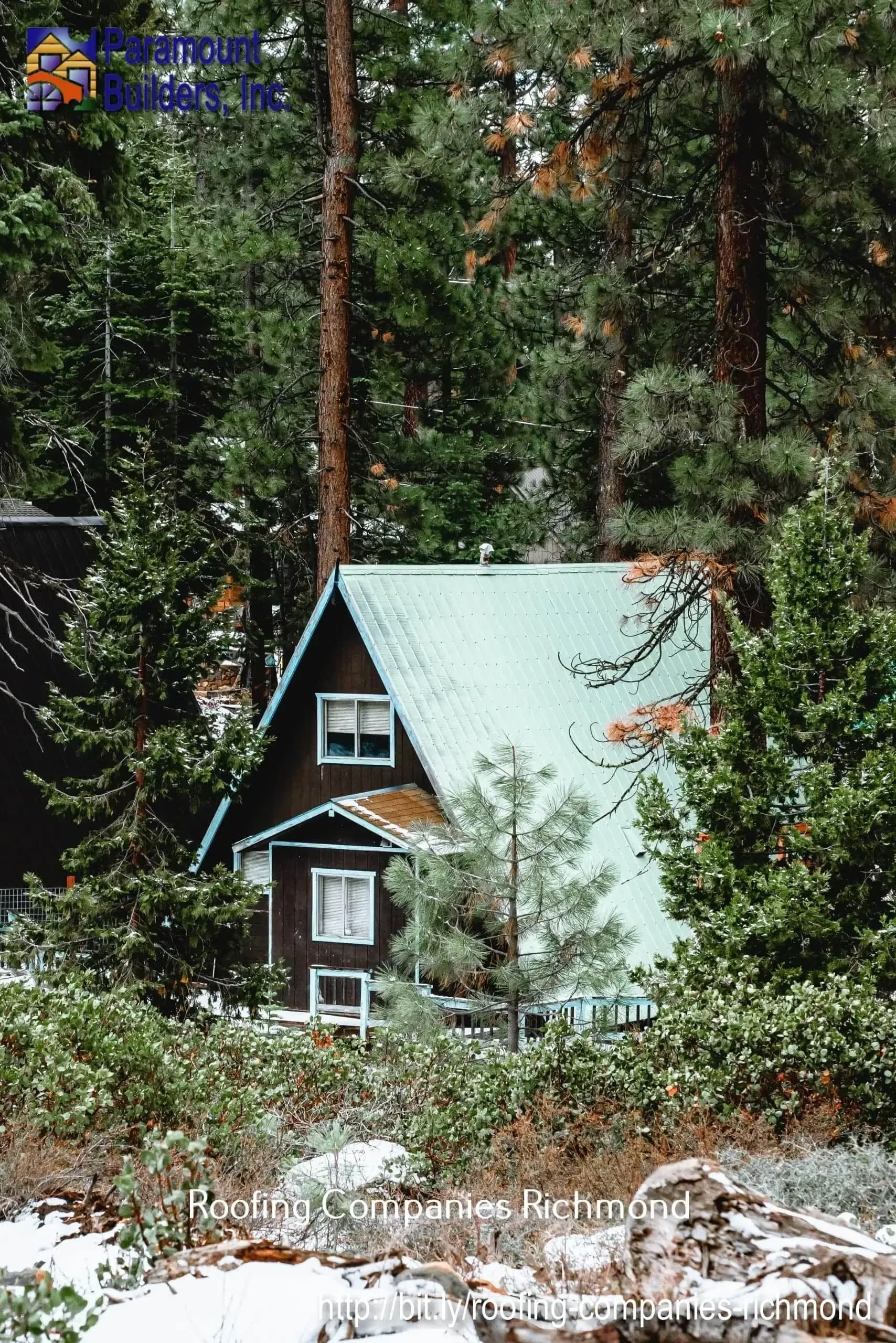
Worst And Best Siding Colors For Resale Value
While homeowners can decide on the paint they want for their homes, some colors are better than others regarding home selling or resale value...
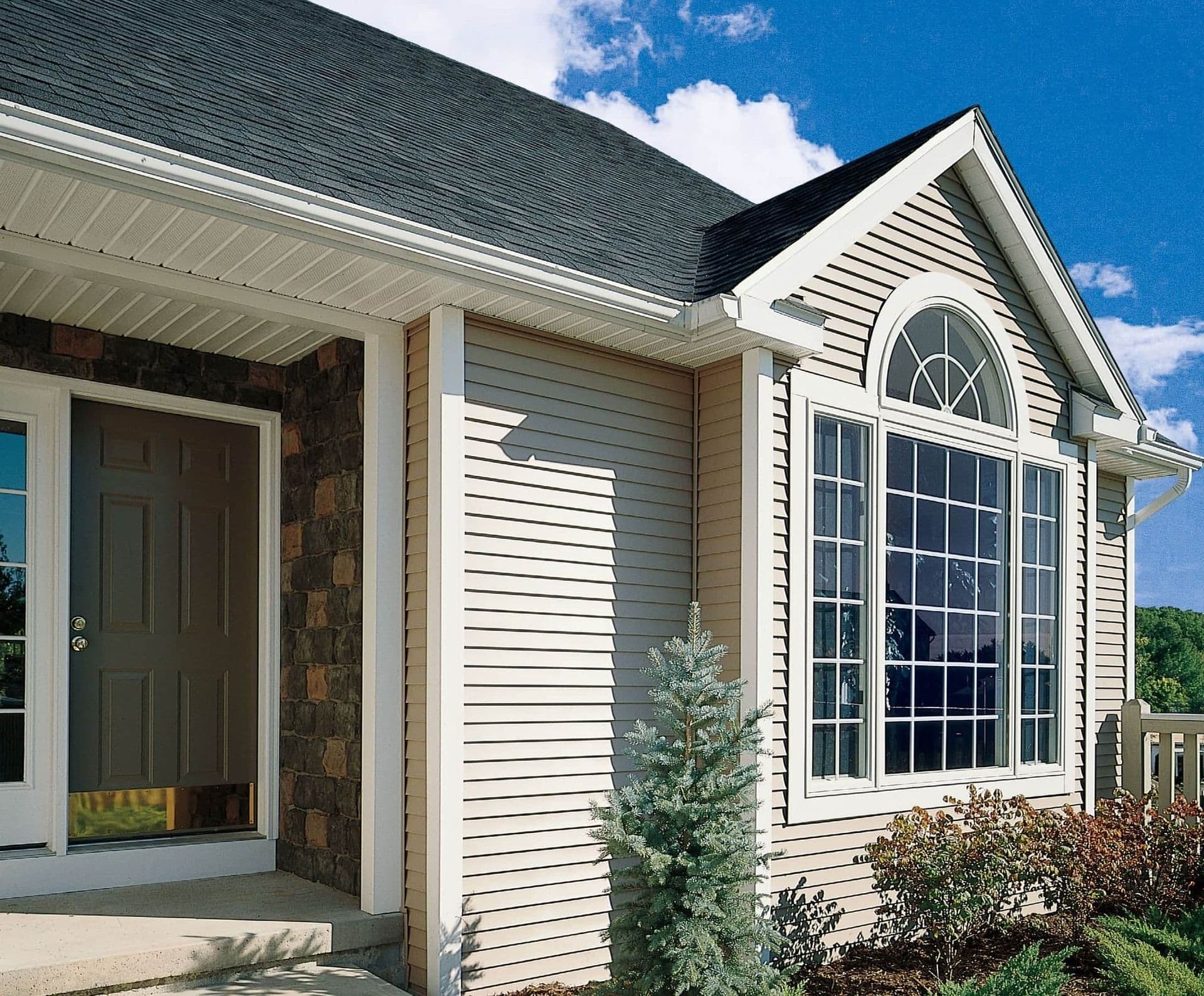
Best Way to Remove Dried Paint From Vinyl Siding
Vinyl siding is a widely favored option among homeowners owing to its durability and minimal maintenance needs, as well as its ability to enhance property value...
How to Get Rid of Bees in Siding
Bees are some of nature’s most productive and intelligent insects. Without their pollinating ways, there would be no wild plants or the biodiversity they bring...
An Award Winning 5 Star Experience







50% off Roofing, Bath, Window & Siding Installation
No Interest & No Payments for 12 Months
Our Project Gallery
Contact Us
Mon-Sun: 6:00am - 10:00pm
Mon-Sun: 6:00am - 10:00pm
Mon-Sun: 6:00am - 10:00pm